
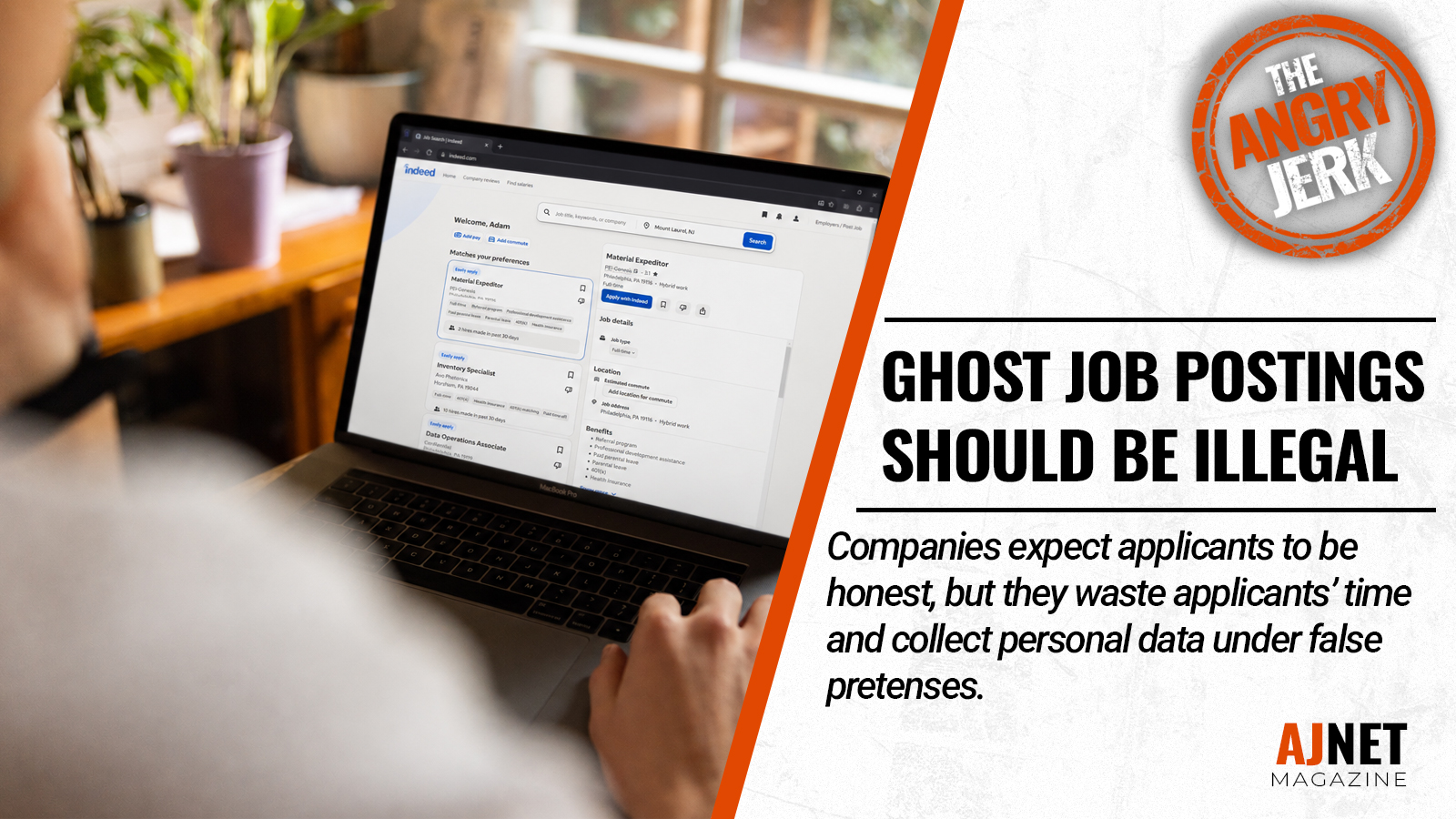
Job hunting already sucks enough without companies advertising jobs that don’t actually exist.
Thankfully, I haven’t had to seriously look for a job in a few years, but I remember how miserable the process was. You spend hours scrolling through Indeed and LinkedIn looking for something that doesn’t pay like shit or require ten years of experience for an entry-level position. Once you finally find something decent, you upload your resume only to be asked to manually type all of the exact same information into a bunch of little boxes because recruiting software apparently hasn’t advanced since 2004. After wasting half an hour on that bullshit, there’s a good chance you’ll never hear anything back.
Apparently, though, sometimes there was never anything to hear back about in the first place.
Companies have been posting what are commonly called “ghost jobs,” listings for positions that either don’t currently exist or that the company has no immediate intention of filling. Maybe the company thinks it might need somebody later, or maybe they just want to collect resumes. In other cases, the listing exists mainly so the company looks like it’s expanding. Whatever the reason, they’re advertising a job opportunity that isn’t actually available.
How the fuck is that legal?
False advertising is illegal in plenty of other areas of business. If Walmart advertises a $100 television that never existed just to get people into the store, there would obviously be a problem. A contractor advertising services they don’t actually provide just to collect customer information would also be shady as hell. Somehow, though, companies can advertise jobs that aren’t real and everybody is expected to shrug their shoulders and accept it as another stupid part of the modern hiring process.
A job listing is still an advertisement. The company is advertising an employment opportunity, and applicants respond to that advertisement by giving up their time and personal information. If there was never a real opportunity there to begin with, then the company misrepresented what it was offering. I don’t understand why employment advertisements should get some special exemption from basic honesty.
One common excuse is that companies want to build a pool of potential candidates for future positions. Maybe they don’t need an accountant today, but there’s a chance they’ll need one six months from now, so they leave a listing up and collect resumes in the meantime. I don’t have any problem with a company building a candidate pool. What I have a problem with is pretending there’s an active opening when there isn’t one.
Just tell people what you’re doing.
Put a notice on the careers page saying the company isn’t currently hiring for the position but is accepting resumes for future opportunities. Applicants can then decide for themselves whether they want to bother sending anything. The company still gets its database of potential hires, while the people applying know exactly what they’re signing up for. Everybody wins, or at least nobody is being bullshitted.
When companies hide that information, the whole thing starts looking a lot more like data harvesting. Job applications can include someone’s name, address, phone number, email address, employment history, education, references, and whatever other unnecessary shit HR decided to ask before the applicant has even spoken to a human being. In more extreme cases, applicant information can even be shared, sold, or otherwise passed around. That’s a lot of personal information to collect from somebody under the premise that they’re applying for an actual job.
If there was no job, what exactly did they agree to give you all of that information for?
Another reason companies supposedly post ghost jobs is to make themselves look like they’re growing. A careers page with dozens of openings creates the impression that business is booming and the company needs more salespeople, developers, managers, warehouse workers, or whatever else. Investors see a company constantly hiring and could reasonably assume that the business is expanding. If half of those positions aren’t actually being filled, then the company is presenting a pretty misleading picture of itself.
I’m not a securities attorney, so I’m not going to pretend I know exactly where the legal line is here. But from a common sense standpoint, I don’t understand how deliberately making your company look more successful than it really is to attract investor interest doesn’t at least start approaching fraud. You’re creating an impression of growth that doesn’t actually exist. Apparently that’s fine as long as you do it with fake job listings instead of fake sales numbers.
Imagine if I started telling potential advertisers that AJnet Magazine was getting over 100,000 legitimate human visitors every single day. In reality, we’re lucky if we get more than five legitimate hits from actual humans on some days, while the rest of the traffic is bots crawling around looking for God knows what. If somebody handed me a pile of advertising money based on those completely fictional numbers and later found out the truth, I’d be getting sued so fast even the Flash wouldn’t know what the fuck just happened.
And before anybody gets worried, no, we’re not actually putting ads on AJnet. It was an example.
The bigger issue here is what ghost jobs do to the people applying for them. Job hunting has already turned into its own unpaid part-time job between filling out applications, tweaking resumes, writing useless cover letters, taking personality tests, and sitting through multiple rounds of interviews. Employers complain that “nobody wants to work anymore,” while job seekers send out hundreds of applications and barely hear anything back. Adding fake listings to that mess just wastes even more of everyone’s time.
I’ve never understood why companies think ghosting applicants is acceptable either. If somebody takes time out of their day to interview with you, the least you can do is send a two-sentence email telling them you hired somebody else. Nobody needs a Hallmark card explaining how difficult the decision was. Just let the person know they didn’t get the job so they can stop checking their inbox and move on.
Ghost jobs take that same disrespect and make it worse because the applicant might never have had a chance in the first place. Someone who’s unemployed could spend an hour filling out an application, rewriting their resume, and putting together a cover letter for a position the company never intended to fill. They might even take time off from their current job to attend an interview. All of that time gets wasted because somebody in HR wanted to keep a candidate pool warm or make the company look busy.
People’s time has value too.
Obviously, I’m not saying a company should get dragged into court every time a job posting gets cancelled. Budgets change, contracts fall through, departments get reorganized, and sometimes management decides they don’t need the position anymore. There’s a huge difference between circumstances changing after a legitimate job was posted and knowingly advertising a position you had no intention of filling. The second one should absolutely be treated differently.
At minimum, companies should be required to disclose when a listing isn’t for an immediate opening. If you’re collecting resumes for later, say so. If the job is currently frozen, put that in the listing. If you’re testing interest before deciding whether the position is worth creating, fine, but tell applicants that before asking them to spend an hour filling out your stupid application.
Employers expect honesty from applicants, and they certainly don’t hesitate to punish people when they don’t get it. Lie about your work history and you probably won’t get hired. Make up a college degree and you can get fired years later when somebody finds out. Suddenly honesty becomes incredibly important when the person doing the lying is the one looking for work.
It shouldn’t only go one way.
If applicants are expected to tell the truth about their qualifications, employers should be expected to tell the truth about whether the fucking job exists. The hiring process is frustrating enough without fake listings, pointless interviews, automated rejection systems, and companies collecting personal information under false pretenses. Posting ghost jobs doesn’t help employers find better candidates, it just makes an already miserable process even more dishonest.
If you want resumes for future openings, say that you’re collecting resumes. If you want investors to think your company is growing, then actually grow your company.
Stop posting fake jobs and wasting everybody’s fucking time.

More from Angry_Jerk



Don't miss any new posts. Join AJnet Magazine's mailing list and receive updates straight to your inbox once a week!